
Top 10 most overrated TV shows of all time
My film and TV obsession started as a little girl watching with my dad. Studying film and working on small productions deepened my love of the craft. I write with curiosity about storytelling and honesty about how it feels. I founded FilmMonkey because stories move us differently - and finding what connects with you matters.
10 TV shows where the reviews don’t tell the whole story
You’ve read the reviews, settled on a show and given it a few episodes. You’re still waiting to see what the fuss was about. How long are you meant to give it?
These ten shows have a gap between their critic and audience scores. That doesn’t make them a waste of your evening, but it’s a reason to look beyond the headline rating. Here’s what might make each one work for you, or leave you reaching for something else.
The ratings: Rotten Tomatoes critics and audience scores are shown as percentages; IMDb ratings are out of 10. A dash means no rating was supplied. The numbers are a starting point, not a verdict on your taste.
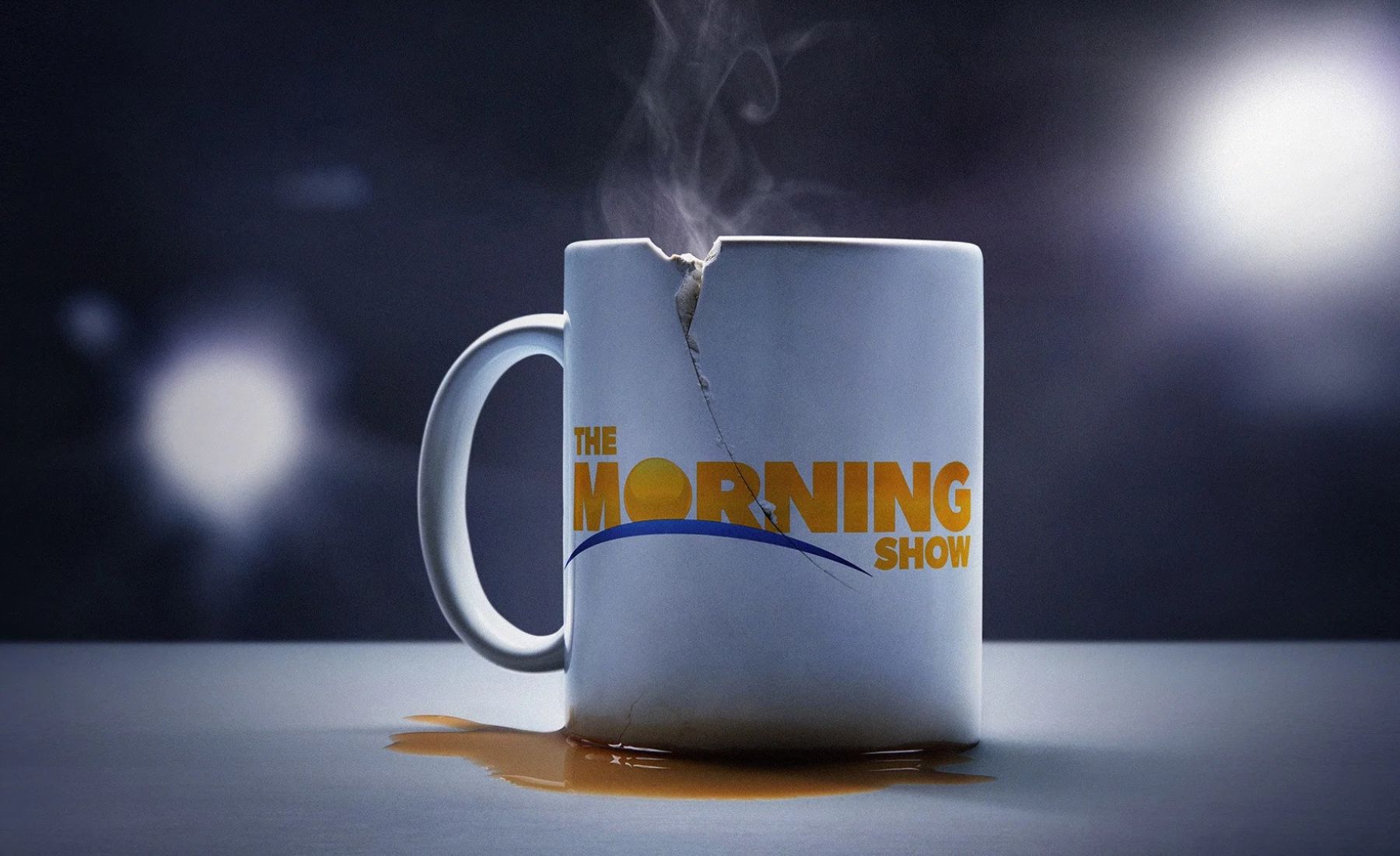
01 · The Morning Show — Season 3
RT critics: 75% RT audience: 30% IMDb: —
A cast this good buys a show a fair bit of patience. Season three keeps the drama coming, but it can be hard to care as much as the people on screen seem to.
If you’re already invested in these characters, there’s a reason to carry on. If you’re waiting for the story to match the cast, another round of workplace turmoil may wear thin.
02 · Batwoman
RT critics: 83% RT audience: 22% IMDb: 3.6 / 10
Gotham is a good place to start a superhero story. Keeping you there takes characters you want to spend time with, and Batwoman can struggle to make its personal drama as engaging as its setting.
Your appetite for superhero TV will matter here. If you enjoy the ongoing feuds and complications as much as the action, you may find more to like than those audience scores suggest.
03 · Star Trek: Starfleet Academy
RT critics: 84% RT audience: 37% IMDb: —
A different angle on Star Trek sounds welcome until it changes the part you liked best. The academy setting is the draw here, but it also comes with a shift in what you’re signing up to watch.
Does spending time with the next generation of Starfleet appeal? That’s a more useful question than whether this is the “right” kind of Trek. If you mainly want another crew heading into the unknown, the premise may be a harder sell.
04 · Star Trek: Discovery
RT critics: 85% RT audience: 33% IMDb: 6.3 / 10
Discovery asks you to care deeply about its crew while giving them an awful lot to deal with. When you’re invested, that makes for involving television. When you’re not, the emotional intensity can be exhausting.
There’s plenty of spectacle, but this is a show you need to be in the mood to follow closely. It’s less inviting if what you want from Trek is a little curiosity and room to breathe.
05 · The Curse
RT critics: 93% RT audience: 37% IMDb: 6.7 / 10
How much second-hand embarrassment can you take? The Curse is happy to let an awkward moment keep going long after you’d usually expect a way out.
That discomfort gives it much of its appeal. It also makes it a poor choice when you just want to unwind. Being intrigued and enjoying yourself aren’t always the same thing with this one.
06 · Dear White People
RT critics: 94% RT audience: 45% IMDb: 7.0 / 10
Dear White People has plenty to say and expects you to keep up. Its confidence can be a pleasure, though the way it makes its point won’t work for everyone.
The ratings are worth a second look here: a 7.0 on IMDb hardly suggests a show nobody enjoyed. If its humour works for you, the lower Rotten Tomatoes audience score needn’t put you off.
07 · She-Hulk: Attorney at Law
RT critics: 85% RT audience: 33% IMDb: 5.1 / 10
She-Hulk depends on whether you find it funny. The lighter tone and self-aware jokes give it a different feel from much of the MCU, but knowing what a joke is doing won’t make it land.
Go in wanting a comedy and you’re giving it a fair chance. Expect the next big Marvel adventure and you may spend the evening waiting for a different show.
08 · The Rings of Power
RT critics: 84% RT audience: 38% IMDb: 6.9 / 10
There’s a lot to enjoy just looking at The Rings of Power. Whether you want to stay in its version of Middle-earth depends more on how much patience you have for the story getting going.
If the setting is a big part of the appeal, taking your time there may suit you. If you need a character to grab you early, the wait can feel long, however lovely the view.
09 · Halo
RT critics: 70% RT audience: 40% IMDb: 6.9 / 10
Knowing the games may make Halo a more frustrating watch. You bring favourite moments, a feel for the world and a fairly clear idea of what you want from an adaptation.
Without that attachment, it’s easier to take the series as a sci-fi story on its own terms. If you’re watching to recapture what you loved about playing, its choices may be harder to get past.
10 · True Detective: Night Country
RT critics: 93% RT audience: 67% IMDb: 7.0 / 10
Night Country makes a strong case for itself through its setting and performances. The uncertainty is whether the mystery’s payoff will satisfy you as much as the build-up.
That matters more if solving the case is your main reason for watching. If the atmosphere keeps you interested, there’s plenty to hold on to. And with an audience score of 67%, this is hardly a case of everyone wishing they’d skipped it.
So, which ones are worth your evening?
Start with what you actually feel like watching. The awkwardness of The Curse might be exactly what you’re after. A slow visit to Middle-earth might sound lovely. Neither is much comfort if you wanted an easy hour before bed.
Good reviews can help you choose. They don’t oblige you to keep watching. If a show has had a fair chance and you’re still checking how long is left, it’s fine to move on.
A note on the numbers
This is an editorial list, not a ranking of the biggest numerical gaps. Rotten Tomatoes percentages and IMDb ratings measure different things and shouldn’t be read as equivalent scores. Audience ratings also come from people who chose to submit them; they don’t tell us what every viewer thought, or why. A low score alone can’t establish poor quality or review bombing.